

Nobody thinks about their hat until mile six on an exposed ridge with no shade, a sunburned neck, and a headache building behind their eyes.
I’ve watched it happen dozens of times. Clients spend months researching tents, sleeping bags, and boots, then grab whatever baseball cap is lying near the door on the way out. Three hours into a high-alpine crossing with direct sun and wind reflecting off granite, they’re squinting, uncomfortable, and regretting every gear decision they didn’t make.
Sun protection is not a cosmetic concern in the backcountry. UV radiation at elevation is genuinely more intense than at sea level, increasing approximately 4% for every 1,000 feet of altitude gained. On a 12,000-foot ridge in July, you’re receiving roughly 50% more UV radiation than you would at your local park. A quality hiking hat is protective equipment, not an accessory.
Here is what actually works, tested across the Cascades, the Sierras, the desert Southwest, and beyond.
UPF Ratings: The Number That Matters Most
Before diving into specific hats, understanding UPF (Ultraviolet Protection Factor) ratings changes how you shop for any sun-protective gear.
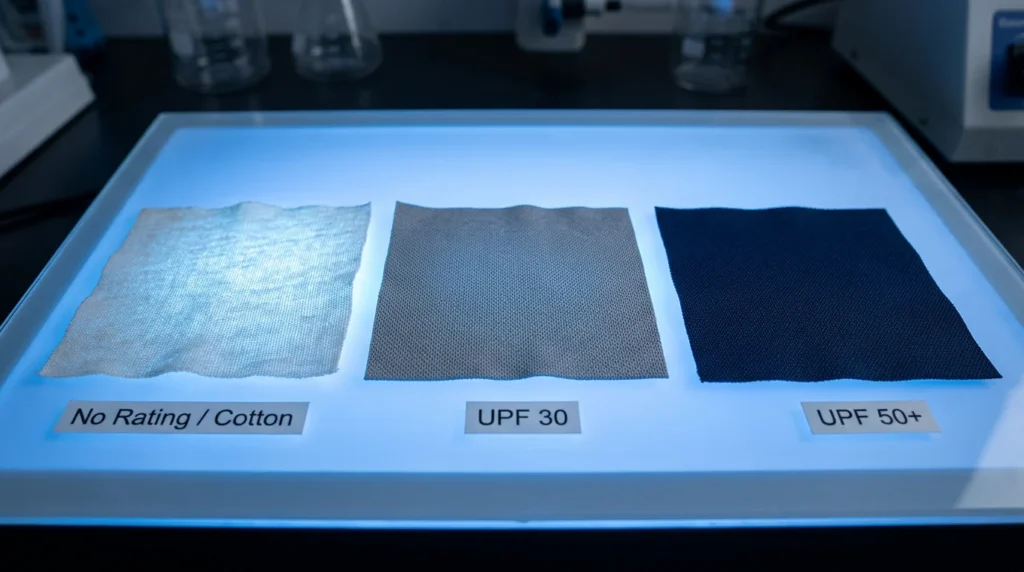
UPF measures how much UV radiation a fabric blocks before it reaches your skin. A UPF 50 rated fabric blocks 98% of UV rays, allowing only 1/50th of radiation through. A UPF 30 fabric blocks 97%, a UPF 15 fabric blocks roughly 93%. The difference between UPF 15 and UPF 50 sounds small in percentage terms but represents a significant real-world gap in cumulative UV exposure across a full hiking day.
For hiking, look for a minimum UPF 30 rating, and UPF 50 for desert or high-altitude environments. Most quality hiking hats from dedicated outdoor brands meet UPF 50 as standard. Fashion hats and regular cotton baseball caps rarely carry any UPF rating and provide minimal measurable UV protection despite appearing to cover your face.
The fabric weight, color, and weave density all affect UPF performance. Darker colors, tighter weaves, and synthetic fabrics consistently outperform light-colored, loosely woven natural fabrics in UV blocking tests. A wet or stretched fabric also loses UPF performance, which matters for anyone sweating heavily or caught in rain.
This same understanding of fabric performance applies directly to everything else you’re wearing. The camping layering system you build for a hot-weather desert trip needs UPF-rated materials at every layer, not just at the hat level.
Wide-Brim Hats: The Superior Sun Protection Platform
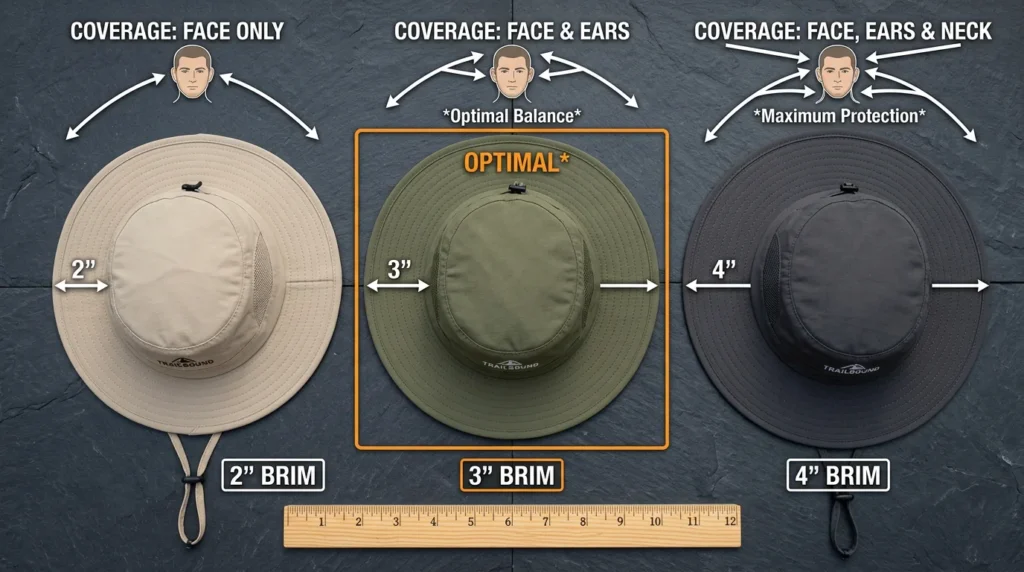
If sun protection is the primary goal, wide-brim hats win the technical comparison with baseball caps without much contest. A brim of 3 inches or more covers your face, ears, and the back of your neck simultaneously, the three areas most vulnerable to cumulative sun damage on long hiking days.
The geometry matters. A 2-inch brim provides moderate face shading but leaves ears and neck exposed in direct overhead sun. A 3-inch brim is the functional threshold for full face and ear coverage. A 4-inch or wider brim provides complete neck coverage but introduces wind vulnerability and pack compatibility issues.
The Outdoor Research Sun Runner Cap is the most versatile wide-brim option currently tested. The removable neck cape addresses the coverage gap that standard wide-brim designs leave when the sun angle is low and lateral, and the cape detaches cleanly when conditions change. At around $45, it delivers genuine protection without the rigidity of stiffer hat designs.
The Tilley LTM6 Airflo remains the benchmark for serious wide-brim hiking hats after decades of production refinement. The 3-inch brim provides excellent coverage, the UPF 50+ rated nylon/polyester blend handles repeated soaking and drying without losing shape, and the hidden snap brim stays fixed in wind better than any other design at its weight. At $85, it’s a genuine buy-once purchase for committed hikers.
The Sunday Afternoons Ultra Adventure Hat wins on ventilation architecture. The mesh crown panel moves heat off your head significantly faster than a solid fabric crown, which matters enormously during high-output hiking in warm conditions. It packs flat enough for a side pocket and bounces back to shape reliably.
The honest limitation of wide-brim hats: they’re awkward under pack shoulder straps if the brim is too wide, catch wind on exposed ridges requiring chin straps, and feel cumbersome on technical terrain where you’re frequently looking up and down at footholds. Pack compatibility with your backpack carrying system is worth checking before buying a 4-inch brim option.
Baseball Caps and Trucker-Style Hats: Fast, Packable, Limited
Baseball caps dominate the hiking market by volume, primarily because most people already own one and underestimate the coverage gap.
A standard 3-inch bill provides good frontal face shading but leaves your ears, back of neck, and sides of your face completely unprotected. On a cloudy-day hike or a well-shaded trail, this is acceptable. On open terrain with direct sun and significant duration, it isn’t.
That said, the best technical baseball caps for hiking close most of that gap with smart design additions.
The Columbia Bora Bora Booney integrates a drop-down neck cape with snap attachments, converting a standard cap silhouette into nearly full-coverage sun protection when needed and tucking away neatly when not. The UPF 50 rated fabric and vented crown make it the most versatile cap-style option for serious hikers.
The Arc’teryx Bird Cap represents the technical performance end of the cap category. Lightweight, packable to almost nothing, fast-drying after sweat or rain, with a structured brim that holds shape under pack compression. It doesn’t solve the neck exposure problem but executes everything else at a high level.
The Outdoor Research Helios Sun Hat sits between a cap and a wide-brim design, with a 2.5-inch structured brim all around rather than only in front. This “full-circle brim” approach gets most of the sun protection benefit of wide-brim designs with the lower profile and better pack compatibility of traditional caps. For hikers who find true wide-brim hats too bulky, this is the practical middle-ground recommendation.
For budget-conscious hikers, the Buff Pack Run Cap at around $35 provides UPF 50 protection, packs flat, and dries extremely fast. Not as protective as a wide-brim design but significantly better than a standard cotton baseball cap.
Ventilation: The Feature That Determines All-Day Wearability
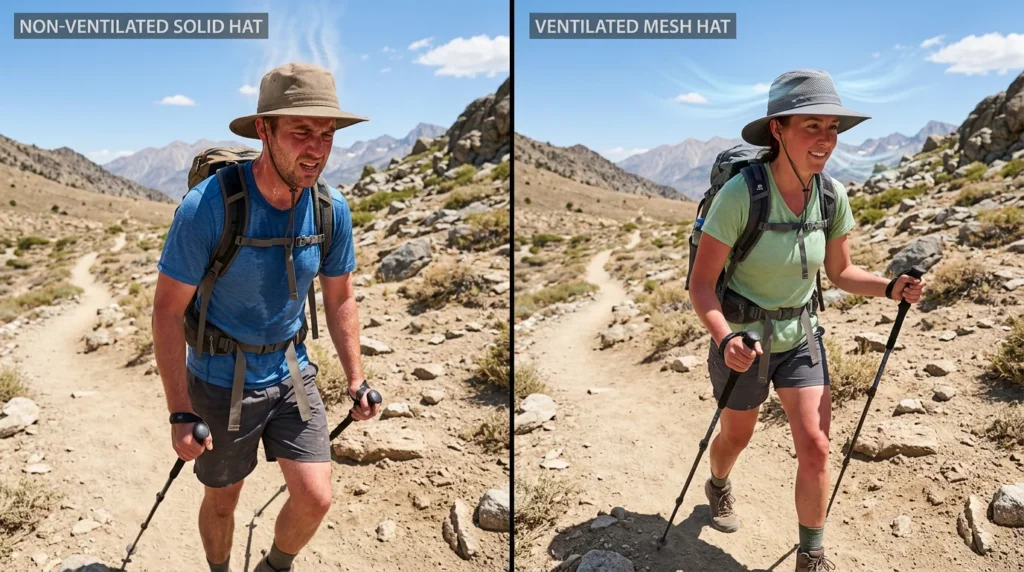
A hat that protects your head from the sun but traps all your body heat becomes counterproductive by midday on a warm hiking day. Ventilation is the feature that separates hiking-specific hats from general outdoor headwear.
Heat escapes the human head primarily through convection. Mesh panels, eyelets, and open-weave crown constructions allow warm air to rise naturally off your scalp while cooler air moves in from the sides. The difference in perceived comfort between a solid-crown hat and a well-ventilated one at 80°F hiking pace is immediate and significant.
Look for at least four ventilation eyelets in any hat claiming hiking suitability. Full mesh crown panels provide the best ventilation but slightly reduce UPF performance at the crown (less of an issue since the crown receives less direct UV than the brim). Laser-perforated fabric splits this difference, maintaining structural integrity and reasonable UPF performance while improving airflow modestly.
The Patagonia Quandary Hat uses a clever ventilation design with open mesh sides and a solid UPF 50 rated crown, providing good airflow without completely sacrificing UV protection overhead. At around $49, it balances sun protection and breathability better than most direct competitors at its price point.
Wind Performance: When Your Hat Becomes a Liability
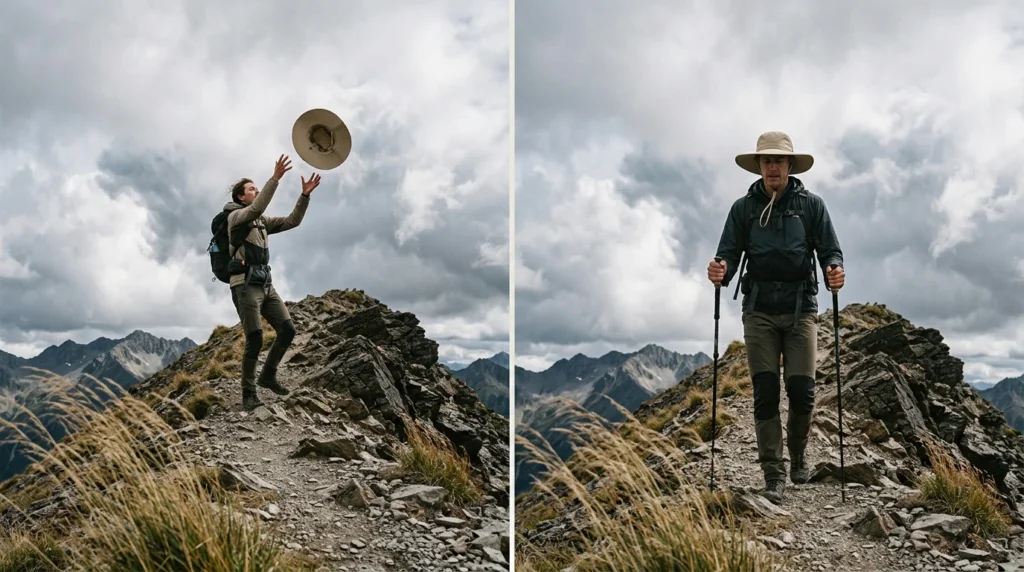
On exposed ridgelines, mountain passes, and coastal trails, a wide-brim hat without a chin strap becomes dangerous. Not metaphorically, but practically: a hat blown off a ridge into talus or off a coastal cliff is gone. I’ve seen expensive hats lost this way, and more concerningly, hikers reaching up to grab a departing hat and losing their footing on technical terrain.
Any hat intended for exposed terrain must have either a built-in chin strap or attachment points for an aftermarket cord. The Tilley LTM6’s snap brim that can be secured down against the crown in high wind is a design solution that works well in practice. The Outdoor Research Sun Runner’s adjustable chin cord is the gold standard for versatility.
For extreme wind environments, switching to a well-fitted running cap with a low profile is a completely valid trade-off. Losing some sun protection on the neck is preferable to losing the hat, your footing, or both.
Packability and Weight: Fitting the Hat Into Your System
A hat you don’t bring because it takes up too much space provides exactly zero sun protection.
Packability matters for day hikers who sometimes skip the hat because it doesn’t fit comfortably in a daypack. The best packable hiking hats use crushable brims that return to shape after compression, or truly rollable designs that fit into a bag pocket.
Weight classes for reference:
Ultralight trail runners and fastpackers: under 2 ounces. General backpackers and day hikers: 2 to 4 ounces. Car campers with no weight restrictions: 4 to 6 ounces, where more structured and durable designs make sense.
The Headsweats Race Hat weighs under 2 ounces and is almost absurdly packable, making it the ultralight choice where weight and packability outweigh full-coverage protection. The trade-off of basic cap coverage is worth it for the gram-counters.
Moisture Management and Sweat Band
An overlooked feature that separates quality hiking hats from poor ones: the sweatband.
Cotton sweatbands absorb sweat initially but saturate quickly, creating a cold, heavy ring of moisture against your forehead that drips into your eyes on descents. Once saturated, a cotton sweatband keeps that moisture in contact with your skin indefinitely.
Quality hiking hats use moisture-wicking polyester or nylon sweatbands that move sweat away from the forehead and into the hat fabric where it evaporates. Some, like the Tilley Airflo’s HydroFil lining, use specialized moisture management fibers that actively wick and release moisture faster than standard polyester.
The same moisture management principles that govern sweatband selection govern everything else against your skin. The best base layers for camping operate on identical logic: keep moisture moving away from skin contact surfaces, always.
Hat Recommendations by Use Case 2026
| Use Case | Recommended Hat | Key Feature | Price |
|---|---|---|---|
| Desert / high-altitude sun | Tilley LTM6 Airflo | Full-brim UPF 50+, durable | ~$85 |
| All-round backpacking | Outdoor Research Sun Runner | Removable neck cape, versatile | ~$45 |
| Maximum ventilation / hot weather | Sunday Afternoons Ultra Adventure | Mesh crown, fast heat escape | ~$55 |
| Technical / packable cap style | Arc’teryx Bird Cap | Ultralight, structured, fast-dry | ~$55 |
| Budget-conscious hiker | Buff Pack Run Cap | UPF 50, packs flat, $35 | ~$35 |
| Wind-exposed ridgeline hiking | Patagonia Quandary Hat | Chin cord, ventilated brim | ~$49 |
| Ultralight / fastpacking | Headsweats Race Hat | Under 2 oz, crushable | ~$30 |
| Car camping / casual day hike | Columbia Bora Bora Booney | Neck cape, convertible | ~$40 |
Building Complete Sun Protection
A hat addresses the most critical surface area but doesn’t solve your complete sun exposure problem on open terrain.
Your neck, forearms, and hands receive significant UV exposure on a full hiking day. A hat with neck cape coverage handles the back of the neck. UPF-rated shirt sleeves handle forearms. For exposed hands, lightweight sun gloves or SPF-rated sunscreen reapplied consistently are the practical options.
Sun protection is one component of a complete outdoor clothing strategy. The same rigor you bring to choosing the right footwear in the hiking boots vs trail runners guide should apply to every exposed surface you’re managing. None of these systems work in isolation, and the hikers who stay most comfortable across a full day in the mountains are the ones who think in complete systems rather than individual pieces.
Your hat is the first defense. Make it a good one.