

Let’s be honest, sunscreen fades, buff gaiters slip, and baseball caps leave your neck looking like a lobster. If you’re serious about trail time, a dedicated hiking sun hat isn’t optional gear; it’s foundational. The best sun hats for hiking do more than shade your face, they reduce how often you need to reapply sunscreen, shield you from wind-driven rain, and stay comfortable through a ten-hour summit push.
The challenge? Finding a hat that balances protection, comfort, packability, and durability without making you feel like you’re wearing a satellite dish. Field evaluations across environments, from windswept coastal ridges to high-altitude meadows, reveal that these ten hats rise above the rest in 2026. Whether you need ultralight breathability, budget-friendly reliability, or trail-to-town style, there’s a hat here with your name on it.
Key Takeaways to Pick the Best Hiking Hat :
- A brim of at least 3″ and a UPF 50+ rating are non-negotiables for serious sun protection
- Wind resistance separates good hats from great ones, stiff brims outperform floppy ones in gusts
- Packability and water resistance matter just as much as UV ratings for versatile outdoor use
- Budget picks can surprise you, the $22 GearTop Navigator outperforms hats three times its price in weather resistance
Quick Comparison of the 10 Best Hiking Hats :
| Product | Price | Weight | Brim Width | UPF Rating |
|---|---|---|---|---|
| Solbari Trekker Sun Hat | $65 | 4.2 oz | 3.5″ front / 6.75″ neck cape | UPF 50 |
| Sunday Afternoons Ultra Adventure | $60 | 2.5 oz | 3.25″ | UPF 50 |
| GearTop Navigator Safari Sun Hat | $22 | 3.5 oz | 3.7″ | UPF 50 |
| Sunday Afternoons Latitude Hat | ~$65 | ~3.8 oz | Up to 4.75″ (back) | UPF 50 |
| REI Sahara Guide Hat | $47 | 2.6 oz | 3.25″ | UPF 50 |
| Outdoor Research Sun Runner Cap | ~$45 | ~2.8 oz | 2.75″ (front) | UPF 40+ |
| Tilley LTM6 Airflo Hat | $99 | 3.7 oz | 3.25″ | UPF 50 |
| Buff Explore Booney Hat | ~$35 | ~2.4 oz | ~3″ | UPF 50 |
| North Face Horizon Breeze Brimmer | $50 | 3.1 oz | 3.125″ | UPF 40 |
| Columbia Bora Bora Booney II | $30 | 2.6 oz | 3″ | UPF 50 |
The Best Hats for Hiking of 2026 : In-Depth Reviews
Finding the best hiking hat means matching protection to your specific environment, budget, and comfort preferences. The ten reviews below cut through the noise with clear specs, real-world insights, and straightforward verdicts on every pick in our 2026 lineup.
1. Best Sun Hat Overall : Solbari Trekker Sun Hat
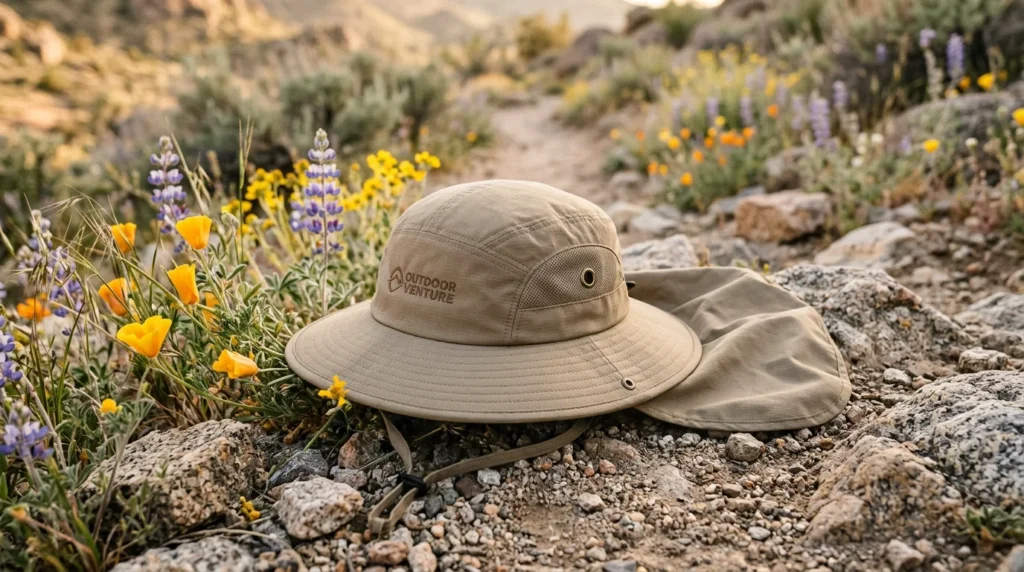
Analysis of the Solbari Trekker confirms what serious thru-hikers already know: all-day trail coverage demands more than a wide brim. This hat’s legionnaire-style design, with a 3.5″ front brim that extends to a generous 6.75″ neck cape, delivers full-face, ear, and neck coverage that typical boonie hats simply can’t match. The 100% UPF 50-rated nylon fabric has an almost swimwear-like texture with a genuine cooling effect, making it far less likely to cause a sweaty head during strenuous climbs.
Key Specs: UPF 50, 4.2 oz, water and stain-resistant nylon, sizes S/M/L-XL
Pros
- Neck flap stays secure in wind.
- Removable chin strap.
- Quick-drying sweatband.
- Excellent sun protection.
Cons
- Heavier than ultralight hats.
- Only folds in half.
2. Best Ultralight Pick : Sunday Afternoons Ultra Adventure
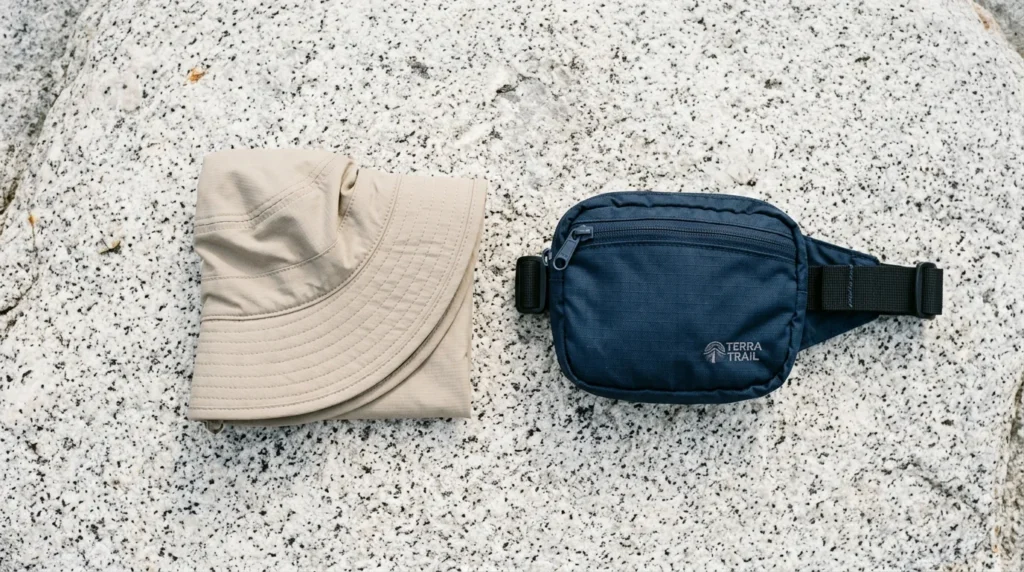
At 2.5 oz, the Sunday Afternoons Ultra Adventure is the lightest, most breathable hat in any competitive 2026 lineup, and it earns that crown honestly. Field evaluations at alpine lakes in the Eastern Sierra Nevadas confirmed it dries rapidly, floats effortlessly in water, and resists moisture under active conditions. The slightly downturned brim catches low-angle sun brilliantly, and the sunglasses lock is a genuinely useful touch that saves your shades on steep descents.
Key Specs: UPF 50, 2.5 oz, 3.25″ brim, $60
Pros
- Folds into quarters.
- Floatable brim.
- Quick-dry fabric.
- Sunglasses lock.
Cons
- Runs a bit large.
- Neck flap can lift in wind.
3. Best Budget Option : GearTop Navigator Safari Sun Hat

Here’s the thing about the GearTop Navigator Safari Hat: at $22, you expect compromises. You don’t expect it to bead water like a rain jacket, outperform more expensive hats in wind resistance tests, and float in a river. Field evaluations demonstrate that this hat’s weather resistance rivals options costing three times more, making it one of the most surprising value plays in outdoor gear right now.
Key Specs: UPF 50, 3.5 oz, 3.7″ brim, $22
Pros
- Water beads off fast.
- Floatable brim.
- Wide 3.7″ brim.
Cons
- Less breathable.
- Some UV can sneak through mesh.
- Minor wear over time.
4. Best Wide-Brimmed Protection : Sunday Afternoons Latitude Hat
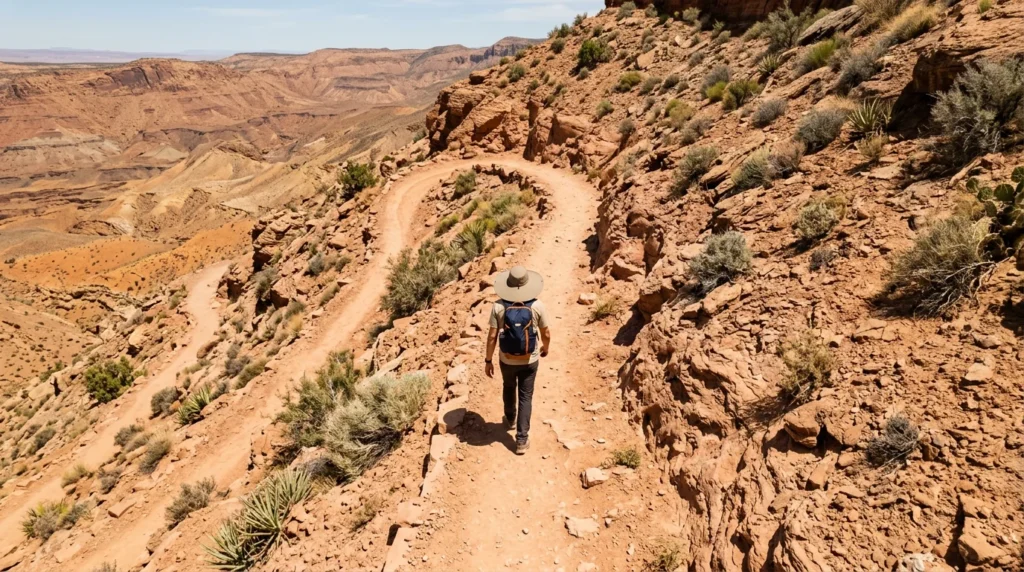
If maximum coverage is your priority, think high-altitude UV exposure or full-day desert treks, the Sunday Afternoons Latitude Hat is in a class of its own. Its brim measures up to 4.75″ in the back and 4″ on the sides, with a slightly downturned shape that maintains protection as the sun dips toward the horizon. It earns the highest sun protection score among wide-brim options in 2026 evaluations alongside the Solbari Trekker.
Pros
- Great all-around coverage.
- Downturned brim blocks low sun.
- Sunglasses lock included.
Cons
- Bulkier than most hats.
- Back brim can hit your pack.
5. Most Stylish Hiking Hat : REI Sahara Guide Hat

Not every hike ends at the trailhead. Sometimes it ends at the brewery, the farmers market, or the summit lodge, and that’s exactly where the REI Sahara Guide Hat shines. At 2.6 oz with a decorative band and clean lines, it’s the hat that won’t embarrass you off the trail. The DWR coating adds real-world weather resistance, and its UPF 50 nylon construction earns its sun protection credentials.
Key Specs: UPF 50, 2.6 oz, 3.25″ brim, $47
Pros
- Light and stylish.
- DWR and floatable.
- Comfortable and packable.
Cons
- Mesh blocks less UV.
- Chin strap is fixed.
6. Best Cap with a Cape : Outdoor Research Sun Runner Cap
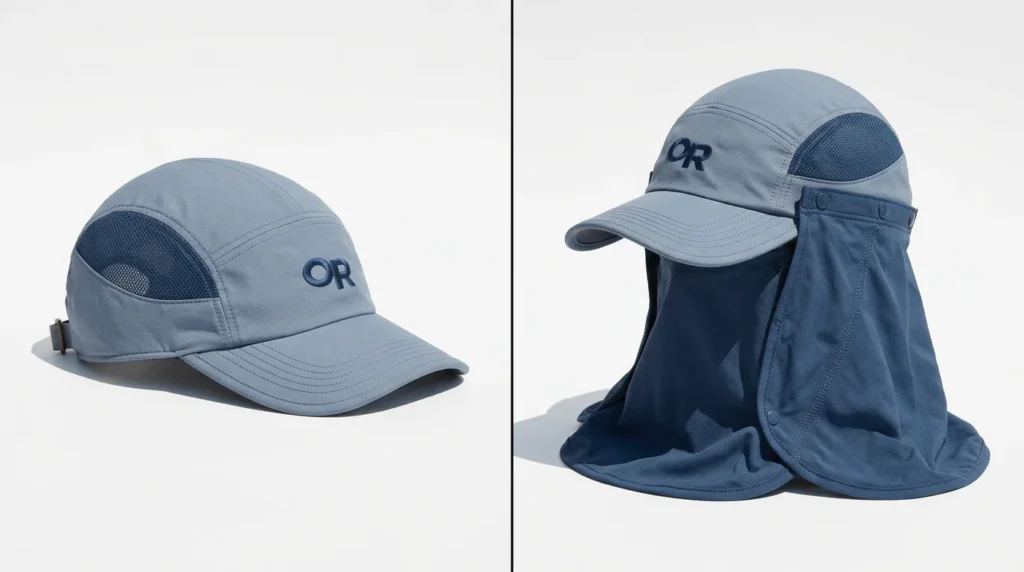
Imagine this: you’re three miles into a desert trail when the sun shifts and suddenly your neck is roasting. The Outdoor Research Sun Runner Cap solves this with its versatile removable cape, letting you morph a standard-looking cap into full-coverage trail protection in seconds. It’s UPF 40+ rated, highly packable, and breathes exceptionally well on hot climbs.
Pros
- Removable cape.
- Light and compressible.
- Very breathable.
Cons
- Cape can flap in wind.
- Shorter front brim.
7. Best Trail-to-Town : Tilley LTM6 Airflo Hat
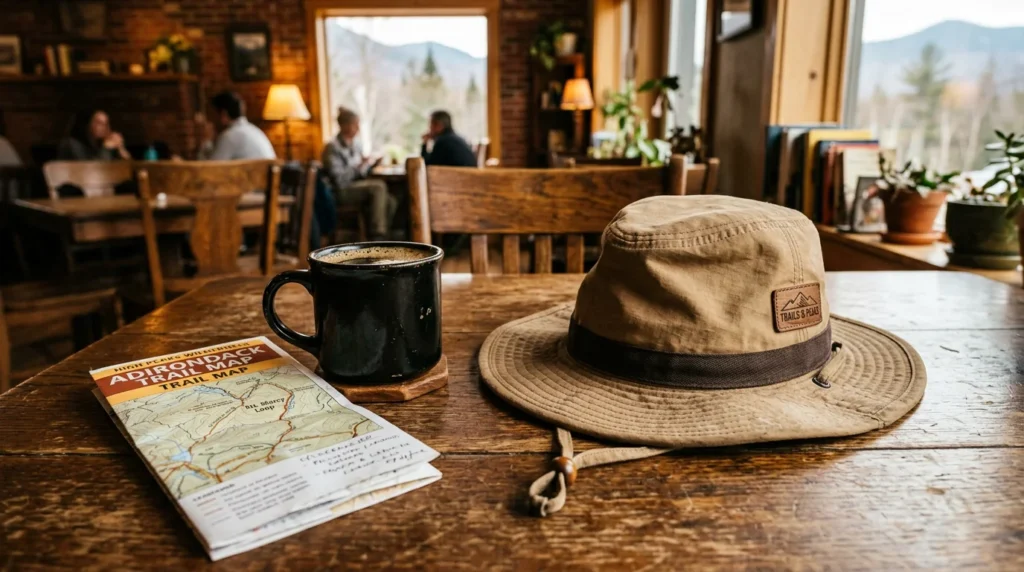
The Tilley LTM6 Airflo is what outdoor gear looks like when a brand has been getting something right for decades. Its thick, durable nylon construction and classic safari profile make it a lifetime hat, the kind you’ll still be reaching for ten years from now. Field evaluations confirm it handles years of abuse without deforming or losing its shape.
Key Specs: UPF 50, 3.7 oz, 3.25″ brim, $99
Pros
- Very durable.
- Classic trail-to-town style.
- Strong wind resistance.
Cons
- Expensive at $99.
- Not packable.
- Runs small.
8. Most Packable : Buff Explore Booney Hat

The Buff Explore Booney exists for the hiker who refuses to dedicate precious pack space to headgear. Honestly, if packability is your top priority, nothing here beats it, this hat can be crushed, stuffed, and jammed into any pocket, and it even comes with its own self-storage pocket for ultra-minimal carry. It won’t be the most structured hat on the summit, but it’ll be there.
Pros
- Super packable.
- Self-storage pocket.
- Lightweight UPF 50.
Cons
- Floppy brim in wind.
- Less structured protection.
9. Best for Small Heads : North Face Horizon Breeze Brimmer

We’ve all been there, you find a hat you love, only to have it wobble around your head like a lampshade. The North Face Horizon Breeze Brimmer addresses this directly with a snug, tailored fit and unique mesh flaps that fold open along the sides to boost airflow on hot days. It’s a thoughtful design that rewards narrower head profiles.
Key Specs: UPF 40, 3.1 oz, 3.125″ brim, $50
Pros
- Snug, secure fit.
- Fold-open mesh flaps.
- Stays put in moderate wind.
Cons
- No water resistance.
- Abrasive chin cord.
10. Simplest Design : Columbia Bora Bora Booney II
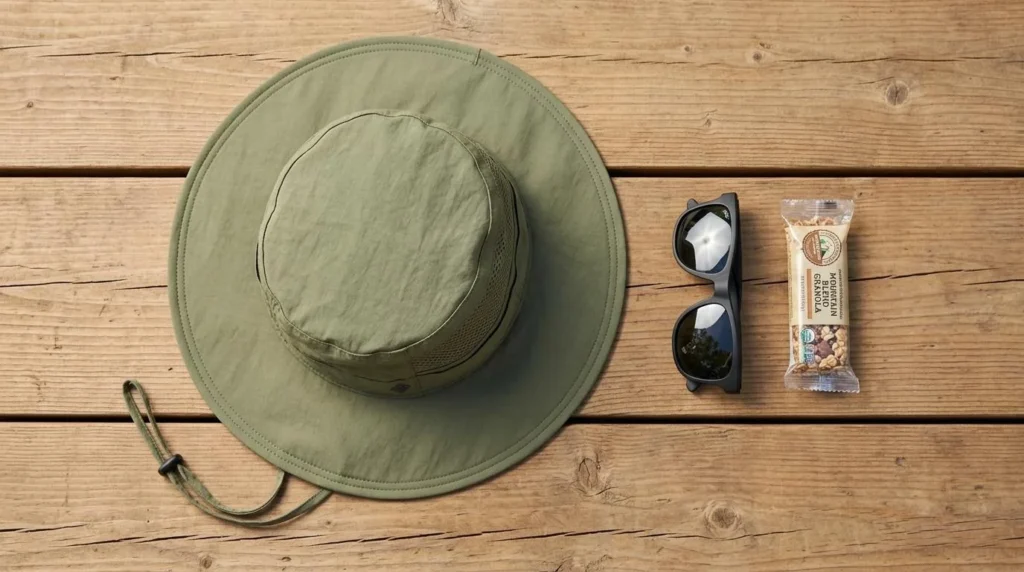
Sometimes you just need a hat that works without overthinking it. The Columbia Bora Bora Booney II delivers that in spades, lightweight at 2.6 oz, affordable at $30, and simple to adjust with its built-in drawcord. It’s not the hat for extreme conditions, but for casual day hikes and travel, it’s a clean, no-fuss performer.
Key Specs: UPF 50 (textured poplin nylon), 2.6 oz, 3″ brim, $30
Pros
- Light and affordable.
- Simple, easy fit.
- UPF 50 protection.
Cons
- Brim loses shape.
- Mesh lets some UV through.
Buyer’s Guide : How to Choose the Perfect Sun Hat
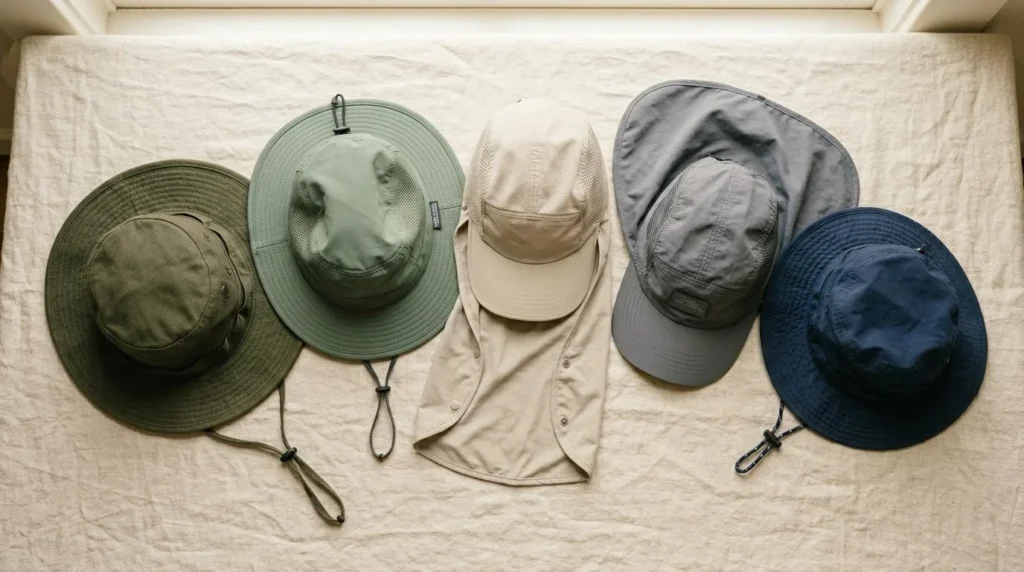
Understand the Styles
Before dialing in specs, pick your style category, it shapes everything else:
- Boonie/Bucket : All-around brim, great sun coverage, widely available; best for general trail hiking.
- Wide Brimmer : Maximum brim coverage (4″+), ideal for exposed ridges and high UV environments.
- Cap-and-Cape : Standard cap profile with an attachable neck cover; best for hikers who value versatility and pack minimalism.
- Trail-to-Town Brimmer : Structured, stylish options like the Tilley LTM6 that perform on-trail and off.
Critical Coverage Metrics
Field evaluations consistently reinforce two non-negotiable numbers: a brim of at least 3 inches and a UPF 50+ rating. UPF 50+ blocks at least 98% of both UVA and UVB radiation, the highest globally recognized standard for sun-protective textiles. Hats with loose mesh panels, even if rated UPF 50 overall, can allow localized UV penetration where the weave is open.
Comfort and Fit
A hat that shifts off your head at mile eight isn’t protecting you. Look for soft sweatband liners to prevent chafing on long days, adjustable crown bungees for a custom fit across head sizes, and removable chin straps for windy environments. The Sunday Afternoons and REI options use these elements effectively to keep the hat planted without pressure points.
Material Performance : Stiffness vs Flexibility
This trade-off defines your choice more than almost anything else. Stiff brims, like those on the Solbari Trekker and Tilley LTM6, hold their shape in 15–20 mph winds and maintain consistent sun coverage. Flexible brims, like the Buff Explore Booney or Columbia Bora Bora, crush down to nearly nothing but can fold, flip, or bend under wind pressure, reducing their protective value on exposed terrain.
Weather Resistance
Water resistance and floatability aren’t just nice-to-haves for creek crossings and afternoon thunderstorms, they’re essential on multi-day trips where a soaked hat can mean hours of cold, dripping discomfort. The GearTop Navigator’s water beading performance is particularly impressive for its price, while the North Face Horizon Breeze Brimmer is the only hat in this lineup that absorbs water completely, worth noting if you hike in wet climates. Pair your hat with quality sun shirts and hiking pants for complete UV coverage on exposed routes.
Expert Summary and Final Recommendations

For most hikers, the Solbari Trekker Sun Hat represents the best overall investment, its wind resistance, neck coverage, and UPF 50 credentials are simply unmatched across this field. If budget is the deciding factor, the GearTop Navigator Safari Hat at $22 delivers performance that embarrasses many hats in the $50–$65 range, particularly in weather protection.
One final tip from field evaluations: match your hat to your primary environment. Windy coastlines and alpine ridges demand stiff brims and secured neck flaps, reach for the Solbari or Sunday Afternoons Latitude. Hot, humid forests where breathability dominates? The Sunday Afternoons Ultra Adventure or REI Sahara Guide Hat will serve you better. The right sun hat isn’t the most expensive one; it’s the one engineered for where you actually hike.